Resource
Language
Tunable Focus Eyewear is attracting attention from buyers who need flexible vision support without carrying several pairs of glasses. WHO’s World report on vision estimates that at least 2.2 billion people have near or distance vision impairment. It also identifies unaddressed refractive error as a continuing global challenge. The IAPB Vision Atlas similarly highlights refractive error as a major contributor to avoidable vision loss. These findings give adjustable eyewear a practical role, but not unlimited medical value.
This guide examines seven tunable focus models for international buyers. It compares adjustment range, lens clarity, frame weight, bridge comfort, field of view, and resistance to daily wear. We also consider packaging, warranty terms, replacement access, and support across different regions. A useful pair should feel stable during reading, travel, or screen work. It should not create distracting distortion when the wearer looks sideways. Small details matter. A loose dial can change the experience quickly.
Technical claims require caution. Adjustable lenses do not replace a professional eye examination or correction for every condition. Buyers should review product instructions and applicable optical standards, including ISO 12870:2016 for spectacle frames. Country-specific labeling and consumer requirements may also differ. No ranking can fit every face. A product that performs well in a controlled review may feel awkward after several hours. Our assessment therefore balances published specifications with practical observations, while acknowledging gaps in independent long-term testing. That limitation deserves attention. Before ordering, global buyers should confirm the adjustment method, prescription suitability, return policy, and local after-sales support.
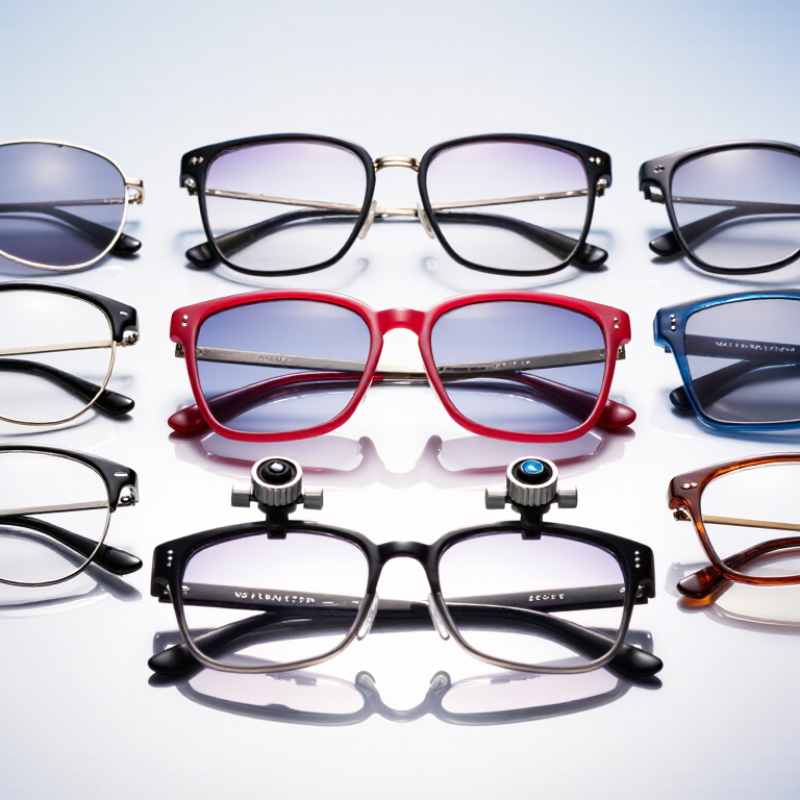
Tunable focus eyewear uses lenses that change optical power when the wearer commands an adjustment. Unlike fixed prescription lenses, these frames can support more than one viewing distance. Some designs use liquid-crystal layers, while others move lens elements or alter fluid geometry. A small controller sends the change. The lens then shifts from near to intermediate or distance focus. The response may feel instant, but real performance varies. Good engineering matters.
Imagine reading a menu at 35 centimeters, then looking across a bright street. A thumb control or automatic sensor can alter the lens within seconds. The system detects distance, eye movement, or user input, depending on the design. Sensors may struggle with dim rooms, fast motion, or reflective surfaces. Battery life, charging time, frame weight, and adjustment noise deserve equal attention. Tiny text reveals poor calibration quickly.
From a professional fitting perspective, accurate prescription data remains essential. Tunable lenses do not correct every eye condition or replace an eye examination. An optometrist should check alignment, astigmatism needs, pupil distance, and comfort. Buyers should also verify electrical safety, optical quality, warranty terms, and local import requirements. Some users need days to adapt. Others dislike the delay. That limitation is easy to overlook. Independent testing and transparent specifications offer stronger evidence than dramatic demonstrations.
Tunable focus eyewear can help global buyers manage changing viewing distances without carrying several pairs. The useful comparison starts with the adjustment mechanism, not a glossy frame. Check whether focus changes through a dial, slider, liquid lens, or electronic control. Ask how smoothly it moves from phone distance to a street sign. Some models feel precise indoors but become awkward outdoors. That difference matters.
Measure the stated focal range in centimeters. A wide range sounds impressive, yet clarity may weaken near its limits. Look for even vision across both lenses, low distortion, and a stable nose bridge. At a desk, test small text, a keyboard, and a monitor placed about 60 centimeters away. Then check a doorway or road sign from a safe location. Do not test while driving. Frames should stay balanced after ten minutes, not merely feel light in the box. Adjustable temples and replaceable nose pads can improve fit across different face shapes.
Ask about lens coatings, scratch resistance, water resistance, battery life, and charging access. Electronic designs need a clear manual and a backup plan if power fails. Confirm prescription compatibility with a licensed optical professional, especially for astigmatism or strong prescriptions. Product claims should include testing standards, return terms, regional warranty coverage, and support hours. A low price may hide narrow adjustment or costly replacement parts. I would record a short reading test before purchase. My comparison might miss night glare, so a second opinion remains sensible. Keep receipts and fit notes.
Seven tunable focus eyewear options now serve global buyers with different vision needs.
Liquid-crystal lenses change optical power electronically and suit users wanting smooth adjustment.
Fluid-filled lenses alter curvature through a small manual dial.
Mechanical dial lenses remain simple, repairable, and useful where charging is difficult.
Alvarez-style sliding lenses shift two optical elements for near and distance tasks.
Electronically adjustable lenses offer button-based control, but battery life can limit travel.
Adaptive autofocus eyewear uses cameras and sensors to estimate viewing distance.
App-controlled models add remote calibration, although software dependence may concern older users.
The World Health Organization’s World Report on Vision estimates that at least 2.2 billion people have near or distance vision impairment worldwide. Its data also identifies uncorrected presbyopia as a major problem. That makes tunable focus relevant for reading menus, inspecting labels, and switching between screens and faces. Industry forecasts from Grand View Research describe continued growth in smart eyewear, driven by sensors, miniaturized electronics, and aging populations. Forecasts are not guarantees.
For procurement teams, the seventh option is a hybrid design combining manual adjustment with electronic assistance. It may offer useful resilience.
Check adjustment range, lens clarity, weight, charging standards, replacement support, and regional conformity markings.
Optical performance can differ greatly between prototypes and daily-use products.
A recent product sheet is not independent evidence. Buyers should request user testing, prescription compatibility data, and durability results.
Cost comparisons also need care, because accessories and service may be excluded.
Some promising systems still feel heavy after several hours.
That weakness deserves more attention.
Tunable focus eyewear can support people whose near vision changes during reading, screen work, or travel. The right pair depends on the user’s actual visual task. Someone reading menus may need a different setting from someone switching between a dashboard and a phone. That flexibility sounds universal. Yet it is not. These lenses usually cannot correct every condition, including significant astigmatism, eye disease, or complex prescriptions.
Buyers should check the adjustment range, lens clarity, frame stability, and control design. A smooth dial matters when tiny changes improve focus. Clear instructions matter even more. Test the eyewear in realistic conditions, such as a dim café, bright daylight, or beside a computer screen. Do not judge comfort after only two minutes. Adaptation may take time, but persistent headaches, double vision, or eye strain require professional advice.
Global shoppers should review measurements in millimeters, return terms, warranty coverage, and delivery restrictions. Look for transparent lens data and safety information, not vague promises. An independent eye examination remains the safest reference before purchase. A common mistake is choosing the widest adjustment range automatically. More range can mean less precise control. Another overlooked issue is fit: a frame that slips changes the optical position and weakens the benefit. Personal needs vary, and online descriptions cannot fully replace an optometrist’s assessment.
Typical optical demand by viewing distance, helping buyers match adjustable-focus eyewear to everyday tasks.
Diopter demand is calculated as 1 ÷ viewing distance in meters. Longer distances require less focusing power, while close reading and detailed craft work require more. These values describe optical demand rather than a personal prescription; buyers with astigmatism, strong prescriptions, eye disease, or persistent visual discomfort should consult an eye-care professional.
Tunable focus eyewear can help users switch between reading, screen work, and distance viewing. Fit matters immediately. Frames should rest evenly on the nose without pressing the temples. Check bridge width, lens height, hinge strength, and adjustment range before ordering. A poor fit may create glare, slipping, or eye strain, even when the focusing mechanism works well. User experience varies, so a short trial period is valuable.
Safety deserves careful attention across borders. Buyers should review lens materials, impact information, UV protection, and cleaning instructions. Product documentation should identify testing standards and suitable use conditions. These glasses may not replace prescribed eyewear for complex vision needs. An eye-care professional can confirm whether adjustable lenses are appropriate, especially for children, driving, or significant prescription differences.
Tips: Measure a current frame, then compare its dimensions with the seller’s chart. Ask who pays return shipping. Calculate taxes, delivery fees, and currency charges before comparing prices. Warranty coverage should state its length, repair process, exclusions, and international support. Some warranties cover manufacturing faults but exclude scratches, misuse, or prescription changes. Read the small print. I would also save invoices and adjustment records. That step feels boring, but it can prevent a difficult claim later. Availability may change by country, and customer service quality is not always consistent.
They are adjustable lenses supporting near, intermediate, and distance viewing. A controller changes their optical power.
Some designs use liquid layers. Others move lens elements or change fluid geometry. A dial, slider, sensor, or electronic control triggers adjustment.
No. Accurate prescription data remains essential. An optometrist should check alignment, astigmatism, pupil distance, and overall comfort.
Read small text at about 35 centimeters. Then check a monitor near 60 centimeters and a distant sign from a safe place.
Sensors may struggle in dim rooms, fast motion, or reflective areas. Manual control can provide a useful backup.
Wear the frames for ten minutes. Check the nose bridge, temple pressure, balance, and vision across both lenses. The lightest frame is not always best.
Check focal range, distortion, coatings, scratch resistance, water resistance, battery life, charging access, and adjustment noise.
Some users need several days to adapt. Others dislike a slight delay. Clarity may weaken near the focal range limits.
Look for independent testing, clear specifications, return terms, warranty coverage, and support hours. Demonstrations can hide weak calibration.
Keep another usable pair if the battery fails. Keep receipts and fit notes. I might miss night glare, so a second opinion helps.
Tunable Focus Eyewear offers an adjustable approach to vision correction by allowing users to change lens power for different viewing distances. This article explains how the technology works and highlights key features to compare before buying, including adjustment range, lens clarity, frame comfort, control design, battery requirements, durability, and ease of use. It also presents seven general eyewear options for global buyers, focusing on practical differences rather than brand names.
The guide helps readers match Tunable Focus Eyewear to needs such as reading, computer work, travel, or switching between near and far vision. It also discusses proper fit, eye comfort, safety considerations, pricing expectations, shipping factors, return policies, and warranty coverage in different regions. By reviewing these points carefully and consulting an eye-care professional when necessary, buyers can make a more informed choice based on comfort, functionality, reliability, and personal vision requirements.