Dynamic Multifocal Lenses are changing how people imagine vision correction. Unlike traditional multifocal designs, they can adjust optical power as viewing needs change. A wearer may look across a bright room, glance at a phone, and shift focus with less visual compromise. The technology can involve liquid-crystal elements, electronic sensors, or mechanically adjustable optics. Each approach responds differently to eye movement, viewing distance, and available light.
Professor Susana Marcos, a respected vision scientist, has explained that adaptive optics can “measure and correct the eye’s optical imperfections.” That idea helps clarify the promise of Dynamic Multifocal Lenses. They are not simply stronger reading glasses. They are responsive optical systems built around the eye’s changing demands. Still, the concept is not magic. Calibration, battery life, response speed, comfort, and visual quality can limit everyday performance.
Some lenses may react within moments. Others may require a deliberate adjustment. A user could notice a slight delay when moving from a laptop to a distant street sign. That detail matters. Human vision feels effortless, but it depends on precise timing and stable focus.
This article examines what Dynamic Multifocal Lenses are, how their optical mechanisms work, and where their practical limits appear. The technology is promising, yet early explanations sometimes sound too perfect. Real-world experience can be messier. That is worth remembering.
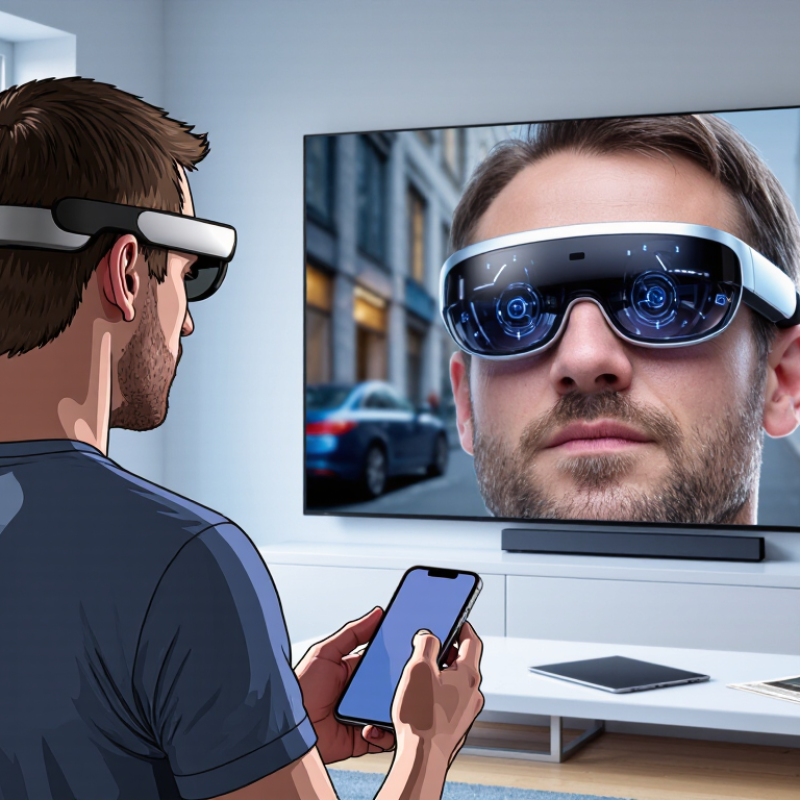
Definition and Purpose of Dynamic Multifocal Lenses
What Are Dynamic Multifocal Lenses and How Do They Work?
Dynamic multifocal lenses are optical lenses that adjust focus for different viewing distances. Unlike traditional multifocal lenses, they do not rely only on fixed zones. Some designs use electronic materials, while others use small mechanical movements. These changes can support near, intermediate, and distance vision in one lens. Their main purpose is to reduce the need for several pairs of glasses. They may help people with presbyopia, especially during work that shifts between screens, papers, and faces.
The lens responds through sensors, eye movement, head position, or a user-controlled setting. For example, focusing on a phone may activate a nearer optical power. Looking across a room may trigger distance vision. The exact process depends on the lens design and its control system. An eye-care professional should assess prescription accuracy, eye health, and daily visual demands before fitting. Comfort also matters. A technically advanced lens can still feel unsuitable if the response is slow or the fit is poor.
Tips: Keep your prescription current. Describe your real working distances during an eye examination. Test the lenses in realistic lighting, if possible. Allow an adjustment period, but do not ignore persistent headaches, blur, or eye strain. These lenses are promising, yet they are not magic. Their performance can vary, and some expectations may need careful rethinking.
What Are Dynamic Multifocal Lenses and How Do They Work? - Definition and Purpose of Dynamic Multifocal Lenses
| Data Dimension | Definition or Feature | How It Works or Why It Matters |
|---|---|---|
| Basic definition | Dynamic multifocal lenses are vision-correction lenses designed to support more than one viewing distance. | They are intended to help the wearer see at near, intermediate, and far distances without changing to a separate pair for each task. |
| Primary purpose | To manage presbyopia and other situations in which one fixed optical power is not sufficient for all working distances. | The lens provides different optical powers or zones so users can read, use digital devices, perform desk work, and view distant objects with one lens. |
| Meaning of “dynamic” | “Dynamic” generally refers to changing visual demands, viewing zones, or optical behavior across the lens. | In most everyday products, the lens itself does not actively change power. The wearer changes gaze direction or head position to use the appropriate optical region. |
| Near-vision zone | The portion intended for close tasks such as reading, writing, and viewing small print. | The wearer typically looks through the lower area of a progressive-style lens or a designated near region in another multifocal design. |
| Intermediate-vision zone | The area used for mid-range activities, commonly including computer work, dashboards, cooking, and conversations across a room. | This zone bridges near and distance vision. Its width and placement depend on the lens design, prescription, frame, and fitting measurements. |
| Distance-vision zone | The area intended for far-away objects, including outdoor activities, driving, and recognizing faces at a distance. | It is generally located toward the upper portion of a progressive lens or in a dedicated distance region of a multifocal design. |
| Optical principle | The lens contains multiple refractive powers or a gradual change in power across its surface. | Light is focused differently depending on where the wearer looks through the lens, allowing access to different focal distances. |
| Common design categories | Progressive lenses, lined bifocal lenses, and some multifocal contact lenses are common multifocal formats. | Progressive designs provide a gradual power transition; bifocals provide distinct near and distance areas; multifocal contact lenses use concentric or other simultaneous-vision designs. |
| Vision transition | Progressive lenses transition continuously between distance, intermediate, and near powers. | The gradual transition avoids a visible dividing line, but the side areas may contain unwanted astigmatism or blur, especially away from the intended viewing corridor. |
| Adaptation period | New wearers may need time to become comfortable with the viewing zones and transitions. | Temporary sensations may include peripheral distortion, mild dizziness, or difficulty finding the clearest zone. Adaptation varies by person and prescription. |
| Eye and head movement | The wearer often needs to point the nose and eyes toward the desired viewing area. | Looking through the correct part of the lens improves clarity. Head movement can be particularly useful for reading across a page or scanning a computer screen. |
| Key benefits | Convenience, reduced need to switch glasses, and support for multiple daily activities. | One pair can support a broad range of visual tasks while preserving a more natural appearance than visibly lined designs. |
| Possible limitations | Not every viewing direction has the same clarity or field of view. | Some users notice peripheral blur, glare, reduced contrast, or difficulty with rapid visual changes. A separate task-specific pair may still be useful. |
| Digital-device use | The intermediate zone can support many computer and tablet tasks. | The best design depends on screen distance, monitor height, posture, and the amount of near work. A dedicated occupational lens may provide a wider computer zone. |
| Fitting requirements | Accurate prescription and personalized frame measurements are important. | Pupil position, fitting height, frame angle, vertex distance, and the wearer’s working distances can affect comfort and usable vision. |
| Who may benefit | Adults experiencing presbyopia or needing correction at several distances. | Suitability depends on eye health, prescription, lifestyle, visual priorities, and the ability to adapt to the selected design. |
| Professional evaluation | An eye-care professional should determine the prescription and recommend the appropriate lens type. | A comprehensive eye examination can identify refractive needs and check for eye conditions that may affect lens selection or visual performance. |
Note: Lens performance varies according to prescription, design, fitting accuracy, frame selection, eye health, and individual adaptation.
FAQS
They are adjustable lenses that change focus between nearby and distant objects. Small sensors and electronic elements control the optical power. They are not magic.
Sensors may track gaze direction, head movement, or viewing distance. A processor interprets this information and adjusts focus within milliseconds. Response is not always instant.
The lenses reduce near power and support distance vision. You may notice a brief hesitation during the change. Walking or unusual head movement can make switching harder.
They may support clearer vision for reading, screen use, and room-distance viewing. A user might check a phone, read notes, then look across an office. Results depend on eye health and prescription accuracy.
They may improve dashboard viewing while maintaining distance focus. Night glare, lighting changes, and adaptation still require careful assessment. Driving performance should not be assumed.
Prescription accuracy, pupil position, lighting, posture, and wearing habits all matter. Poor calibration may cause blurred edges or unwanted switching. Even slight alignment errors can reduce clarity.
Adaptation varies between users. Some adjust quickly, while others need more time and fitting changes. Mild hesitation should not be ignored.
No design should be treated as perfect. Battery limits, motion, lighting, and sensor accuracy can affect performance. I would question any promise of flawless focus.
An eye-care professional should check prescription, pupil position, reading distance, and binocular vision. They should also discuss screen habits and realistic expectations. Software cannot fix every optical problem.
Conclusion
Dynamic Multifocal Lenses are advanced vision-correction lenses designed to provide clear sight at multiple distances, helping users move smoothly between near, intermediate, and far-away tasks. Their purpose is to support everyday activities such as reading, using digital screens, walking, and driving without requiring separate pairs of glasses. The lenses combine carefully arranged optical zones or a variable-focus design that directs light appropriately, while their structure is tailored to the wearer’s prescription and visual needs.
Depending on the lens design, focus may adjust through changes in viewing angle, pupil position, or an electronically controlled optical system. These lenses can improve visual convenience and reduce the need to switch eyewear, making them useful for people experiencing age-related focusing changes or demanding varied visual tasks. However, adaptation may take time, and some users may notice peripheral distortion, reduced contrast, or slower focusing during the adjustment period. Regular cleaning, proper storage, professional fitting, and routine eye examinations are essential for comfort, performance, and long-term eye health.