0%

Electronic Reading Boost Glasses are becoming a practical option for readers who struggle with small print, dim lighting, or changing focus. This China Top 10 manufacturers overview examines the companies behind these specialized optical products. It considers lens design, magnification control, frame comfort, battery performance, production quality, and after-sales support.

Optometrist Dr. Gary Heiting has explained, “Presbyopia is the gradual loss of the eye’s ability to focus on nearby objects.” That simple point matters. Electronic Reading Boost Glasses may enlarge text, improve contrast, or provide adjustable illumination, but they cannot replace a complete eye examination. A comfortable pair should feel balanced on the nose, remain stable during page turning, and avoid excessive visual distortion around the lens edges.

The selected Chinese manufacturers are assessed through an evidence-based lens. Product specifications, manufacturing experience, quality certifications, customization capacity, and export capability all deserve attention. Factory photographs can help, but they are not enough. Independent testing and verified customer feedback are stronger signals. Some suppliers advertise impressive magnification ranges. Real-world clarity may still vary.

That difference matters.

Readers should also examine charging safety, button placement, optical accuracy, and repair support. A useful device is not merely bright or powerful. It should support steady reading beside a window, under a desk lamp, or on a long train journey. The ranking is therefore a starting point, not a final verdict. Supplier information can change, and several claims may require additional verification. This introduction presents the market carefully, while recognizing that “top” depends on the buyer’s eyesight, budget, application, and expectations.
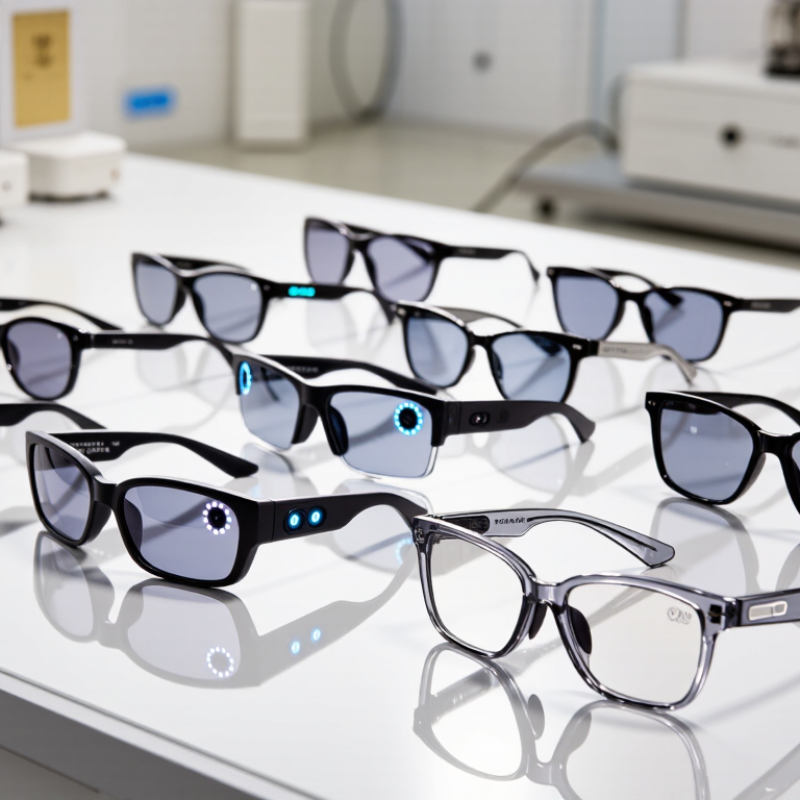
China Top 10 Electronic Reading Boost Glasses Manufacturers

Electronic Reading Boost Glasses: Definition and Core Functions

Electronic reading boost glasses are wearable optical devices designed to make nearby text easier to see. They may use electronically adjustable lenses, miniature cameras, or digital displays. Unlike ordinary reading glasses, they can change magnification, contrast, brightness, and focus through buttons or software controls.

Their core function is controlled visual enhancement. Users can enlarge a newspaper column, sharpen small menu text, or improve contrast on a dim screen. Some models offer automatic focusing, several magnification levels, and color settings for different lighting conditions. A lightweight frame also matters. Heavy glasses can become uncomfortable after twenty minutes of reading. Battery life, charging time, control placement, and display clarity deserve equal attention.

Real use is less perfect. Strong magnification may reduce the visible reading area, forcing frequent head movement. Digital screens can also create glare or delay. Users should test the glasses with real materials, such as medicine labels, receipts, and books, rather than relying only on demonstrations. An eye-care professional can help identify whether the problem involves focusing, prescription changes, or another visual condition. These glasses support reading, but they do not replace proper eye examinations or suitable prescriptions. Small controls. Clear instructions. Reliable adjustment.

Key Technologies Used in Electronic Reading Boost Glasses

China’s electronic reading boost glasses manufacturers are investing in compact technologies that improve text visibility without adding heavy frames. The core component is often an adjustable optical system. Liquid-crystal lenses can change their focal power electronically. This helps users shift between a printed page and a nearby screen.

Micro-displays and miniature cameras add another layer of assistance. A camera captures the page, while image-processing software increases contrast and sharpens letter edges. Some designs use optical magnification instead, which can preserve a more natural view. Anti-glare coatings reduce reflections from glossy paper and office lighting. This detail matters during long reading sessions.

Battery efficiency is equally important. Low-power processors, automatic brightness control, and standby modes can extend daily use. Some prototypes also include eye-distance sensors, but their accuracy may vary in dim rooms. No system is perfect. Text can still look unnatural when magnification is high, and rapid focus changes may cause discomfort. Manufacturers should test color accuracy, latency, thermal safety, and frame balance under real reading conditions. Laboratory figures alone are not enough. A practical evaluation should include newspapers, medicine labels, uneven lighting, and several hours of continuous use. Good engineering is visible in small details, such as stable buttons, clear charging feedback, and lenses that remain comfortable after repeated adjustment.

China Top 10 Electronic Reading Boost Glasses Manufacturers: Key Technologies

The chart presents a practical engineering reference score from 1 to 5 for the main technologies used in electronic reading boost glasses. Higher scores indicate greater importance to reading assistance, visual clarity, and user accessibility. The assessment covers industry-standard technology functions rather than company or brand performance.

China’s Top 10 Electronic Reading Boost Glasses Manufacturers

China’s Top 10 Electronic Reading Boost Glasses Manufacturers are gaining attention for practical visual assistance technology. Their products commonly combine compact displays, adjustable magnification, front lighting, and rechargeable batteries. Some models support reading labels, printed pages, and small craft details. Others offer image capture or screen connection features.

A reliable evaluation should begin with hands-on testing, not factory claims. I would compare clarity at different distances, button response, battery duration, and frame comfort after thirty minutes of use. Small details matter. A loose hinge or heavy nose bridge quickly becomes frustrating. Manufacturers should also provide clear specifications, traceable quality records, user instructions, and responsive after-sales support. Testing should include relevant electrical safety and market compliance requirements.

My first shortlist focused too heavily on magnification ranges. That was a mistake. Excessive enlargement can narrow the viewing area and make line tracking harder. A better selection considers stable images, natural colors, low glare, and simple controls. Production consistency also deserves attention, especially when comparing samples from ten Chinese manufacturers. A polished prototype may not represent every shipment. Independent inspections, documented testing, and transparent warranty terms can reduce that uncertainty. Pricing remains important, but dependable optics and user comfort usually matter more over daily use.

How to Compare Chinese Manufacturers and Product Quality

Comparing Chinese electronic reading boost glasses manufacturers requires more than checking catalog photos. Request a working sample, not only a polished prototype. Measure magnification at the stated reading distance, then inspect edge distortion, glare, color accuracy, and text sharpness under warm and cool lighting. A reliable supplier should explain these results clearly.

Ask for optical test data, battery-cycle records, charging safety documents, and quality-control procedures. Check whether each unit receives a functional test before packing. Traceable serial numbers, incoming-material inspections, and recorded defect rates show stronger process discipline. Factory visits can reveal useful details: clean assembly benches, calibrated meters, organized component storage, and workers following written instructions. Certifications still need verification.

During my own product comparisons, small details often separated good samples from weak ones. Loose hinges, uneven nose pads, noisy buttons, and heat near the charging port became obvious after repeated use. Ask the manufacturer to test ten or more samples from one production batch. One sample can hide inconsistency. However, test reports may not reflect daily reading comfort, and I have sometimes trusted specifications too quickly. Include older users in trials, record eye strain after thirty minutes, and check support response times. A capable partner should accept reasonable revisions, document changes, and provide replacement policies suited to the destination market.

Applications, Standards, and Market Development Trends

China’s electronic reading boost glasses market is shaped by aging, digital work, and stricter quality expectations.

The National Bureau of Statistics reported 216.76 million people aged 65 or above in China in 2023. This creates demand for lightweight visual assistance during reading, shopping, medical checks, and smartphone use. The World Health Organization estimates that at least 2.2 billion people globally have vision impairment, with over 1 billion cases preventable or untreated.

Applications are moving beyond simple magnification. Electronic reading glasses may combine adjustable focus, LED illumination, contrast enhancement, and voice prompts. Users often need clear text at 30–50 centimeters, stable brightness, and controls that work with limited dexterity. Small details matter. Flicker, lens distortion, heat, and battery weight can reduce daily acceptance. Market research reports also indicate continued growth in smart eyewear, although product classifications remain inconsistent. That weakness deserves attention.

Manufacturers should reference ISO 12870 for spectacle frames, ISO 21987 for mounted ophthalmic lenses, and EN 14139 for ready-to-wear spectacles. Electrical functions require additional testing for battery safety, electromagnetic compatibility, and charging reliability. In China, testing should align with applicable national standards and documented quality systems. Clear labeling is essential. It should state magnification, optical limits, charging conditions, and intended use. The Global Ageing and Adult Health research literature supports accessible vision tools, but comfort evidence is still limited. More long-term user studies are needed.

FAQS

How should I compare electronic reading glasses from Chinese manufacturers?

Request a working sample, not only catalog photos. Measure magnification at 30–50 centimeters. Check text sharpness, glare, color accuracy, and edge distortion. Test both warm and cool lighting.

What product data should a manufacturer provide?

Ask for optical test results, battery-cycle records, and charging-safety documents. Request functional test procedures and recorded defect rates. Clear explanations matter. Some reports may still miss daily comfort problems.

How can I evaluate factory quality control?

Check incoming-material inspections and traceable serial numbers. Ask whether every unit receives testing before packing. A factory visit may reveal clean benches, organized parts, and calibrated meters. Written instructions are useful evidence.

Why should I test several samples from one production batch?

One sample can hide inconsistency. Request testing for ten or more units from one batch. Compare hinges, nose pads, buttons, charging ports, and screen clarity. Small defects become obvious after repeated use.

What comfort details should older users test?

Include older users in practical trials. Record eye strain after thirty minutes of reading. Check frame weight, battery weight, heat, flicker, and nose-pad pressure. Comfort is not fully proven by specifications.

Which functions are useful for reading and smartphone use?

Adjustable focus, LED illumination, and contrast enhancement may help. Voice prompts can support users with limited dexterity. Controls should remain usable with slower hand movements. More functions are not always better.

Which technical standards should manufacturers consider?

Relevant references include ISO 12870 for frames and ISO 21987 for mounted lenses. EN 14139 may apply to ready-to-wear spectacles. Electrical functions need battery, charging, and electromagnetic testing. Certification still requires verification.

What information should appear on the product label?

The label should state magnification, optical limits, charging conditions, and intended use. It should avoid unclear promises about vision improvement. Support documents should explain safe operation and limitations. Some classifications remain inconsistent.

How should I judge after-sales support?

Ask about response times, replacement policies, and documented design changes. A capable supplier should accept reasonable revisions. Test how quickly they answer a specific technical question. Slow support is a warning.

What weaknesses should buyers remember?

Long-term comfort evidence remains limited. Market reports may suggest growth, but product categories are inconsistent. I have sometimes trusted specifications too quickly. Real users may disagree.

Conclusion

Electronic Reading Boost Glasses are smart optical devices designed to improve reading comfort and visual clarity through adjustable magnification, electronic focusing, brightness control, and customized display functions. This article introduces their core functions and explains the key technologies behind them, including compact optical modules, image sensors, micro-displays, rechargeable power systems, ergonomic frames, and intelligent control software. These technologies work together to support users who need enhanced text visibility in books, documents, screens, and other close-range reading situations.

The article also presents a selection of China’s top ten Electronic Reading Boost Glasses manufacturers, focusing on their design capabilities, production quality, research strength, customization services, and after-sales support. It provides practical guidance for comparing suppliers and evaluating product reliability, comfort, safety, optical performance, and manufacturing standards. In addition, the discussion covers applications in education, offices, healthcare support, and daily life, while examining relevant quality requirements and future market trends such as lighter designs, longer battery life, smarter focusing, improved connectivity, and more personalized visual assistance.

Amelia

Amelia

Amelia is a dedicated marketing professional with a strong understanding of the company’s products, customers, and industry landscape. With a keen eye for market trends and a practical approach to communication, she transforms complex product information into clear, valuable, and engaging content......